

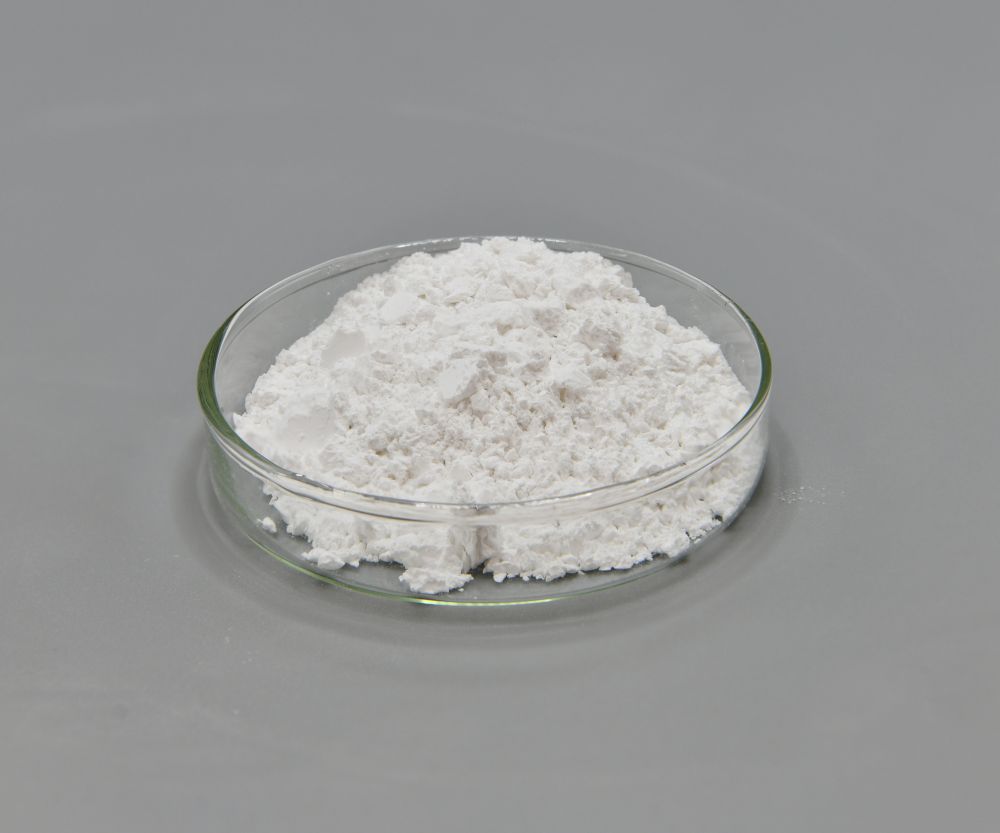

Bulk sourcing of hypophosphite salts needs more than a quick vendor call and a low quote. In India, audits are increasing and customers are asking for traceability, consistent purity, and compliant shipping documents. This guide is helping you evaluate suppliers when you are buying Aluminum Hypophosphite for formulation or process use, and when you are shortlisting Calcium Hypophosphite manufacturers for regular supply.
See, first step is defining your end-use and grade requirement clearly. Different industries are demanding different limits for moisture, insoluble matter, and heavy metals. You have to share your target assay range and impurity limits with vendor at start only, otherwise you are receiving product that is failing internal QC.
Frankly speaking, supplier capability is showing in process discipline. A reliable plant is maintaining SOP, batch logs, in-process checks, and final release testing with calibrated equipment. You should ask vendor to explain production controls and QC checkpoints in simple terms only, because consistency is coming from system, not from promises.
Basically, packaging and storage controls are affecting bulk material quality. Many hypophosphite salts are attracting moisture, so weak packing is creating caking and dosing issues. Put drum in dry corner, check inner liner, and confirm sealing method and pallet protection only, otherwise transit is damaging quality.
See, quality checks should focus on parameters that are impacting your process. Assay is important, but you also need moisture, insolubles, and heavy metals limits. Do one thing, request last three batch COAs and compare values side by side only, then match them with your incoming QC capability.
Frankly speaking, documentation decides how fast you can move material through gates and audits. Reliable suppliers are giving COA, MSDS, transport classification, and batch traceability quickly. You have to verify document format, test methods, and response time before you place bulk PO only, otherwise dispatch is getting delayed.
Basically, compliance is not only about paperwork, it is about safe handling and regulatory readiness. Vendor should be guiding storage conditions, shelf life approach, and spill handling guidance as per MSDS. You have to train store and production teams based on documents only, otherwise safety risk is increasing.
See, supplier selection also depends on capacity and supply stability. Manufacturer should be sharing monthly capacity, lead time, and buffer stock plan. You have to check past delivery record and realistic lead time commitment only, otherwise your production plan is getting disturbed.
Frankly speaking, technical support matters when you are scaling. Good suppliers are supporting trials, helping you troubleshoot issues like filtration load, reaction drift, or residue concerns. You should ask for technical contact and escalation process only, otherwise you are getting generic replies when problem comes.
Basically, make a simple vendor scorecard so your decision stays objective. Include quality consistency, documentation speed, packaging controls, capacity, and complaint handling. You have to review supplier quarterly and keep sample retention from incoming lots only, because long-term performance is what you are paying for.
Common Doubts (FAQ)
1) What should I check first while selecting supplier?
See, check batch consistency and documentation readiness. You have to validate COA against your incoming QC for two to three lots only.
2) Is lowest price a safe choice for hypophosphite salts?
Frankly speaking, very cheap quotes often signal weaker QC or inconsistent lots. You have to match price with impurity limits and risk level only.
3) Which documents are mandatory for bulk procurement?
Basically, COA, MSDS, transport classification, and batch traceability are essential. You have to confirm vendor can share them quickly for every lot only.
4) How do I reduce quality issues after purchase?
See, lock specifications, verify packaging, and run multi-batch qualification trials. You have to maintain storage discipline and FIFO practice in warehouse only.