

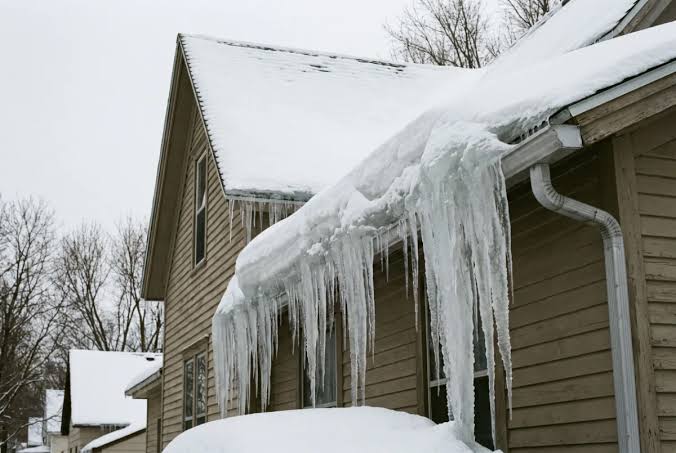
If you’ve ever heard a crack at 2 a.m. on a January night, you already know what’s coming. That sound usually means ice has found a weak point in your home, and it’s not going to fix itself by morning.
Here’s the honest truth about winters in the North Star State: the damage rarely comes from one brutal storm. It builds over weeks. Snow piles up on your roof, melts during a warm afternoon, refreezes overnight, and quietly pries apart your gutters and shingles from the inside out. By the time you notice water on your ceiling, the expensive part is already done.
If you’ve been putting off a seasonal walkthrough, a coon rapids handyman can knock out the small prep tasks that keep a Minnesota house standing through February. But even if you hire nothing out, you can do most of this yourself in a weekend or two. Let’s walk through what actually matters.
Why Minnesota Winters Hit Different
Minnesota isn’t just cold. It’s cold in a way that stresses building materials for months at a time. According to the National Weather Service, parts of the upper Midwest regularly see extended stretches where temperatures don’t climb above freezing. That means ice doesn’t just form once and go away. It forms, thickens, and sits there.
That prolonged freeze-thaw cycle is what makes ice dams so destructive here compared to, say, a mild winter in Missouri. Water gets behind your shingles, refreezes, expands, and loosens them. Repeat that ten or fifteen times over a season and your roof deck starts to rot.
The good news: most of this is preventable if you act before the deep freeze locks everything in place.
What an Ice Dam Actually Is (And Why You Should Care)
An ice dam is a ridge of ice that forms at the edge of your roof and blocks melting snow from draining off. The snow above it keeps melting from the heat escaping your attic, water pools behind the dam, and then it has nowhere to go but under your shingles.
The underlying cause is almost always warm air leaking from your living space into your attic. Your roof should be roughly the same temperature as the outside air. When it isn’t, the snow melts, runs to the cold eaves, and refreezes. So if you only clear the dam and never fix the heat loss, it comes back next year. Every year.
Here’s a quick gut check you can run on your own house:
- Touch your attic ceiling on a cold day. If it feels noticeably warm, you have air leaking.
- Check for frost on the underside of your roof deck after a hard cold snap. That’s a red flag.
- Look for icicles hanging off the same spot every winter. Same spot means same problem.
- Peek in your attic for damp insulation around light fixtures and vent pipes.
If two or more of those ring true, you’ve got work to do before the next storm.
Snow Load: When Your Roof Is Carrying Too Much
Snow load is the weight of accumulated snow sitting on your roof. It adds up faster than most homeowners expect. Ten inches of fresh powder is light, but ten inches of packed, wet snow can be surprisingly heavy, and by late February you may have months of accumulation stacked on top of each other.
Your roof was engineered for a specific load, and every roof is different. If you own an older home, or one with a low-slope roof, it’s worth getting a professional opinion on what your structure can realistically handle rather than guessing. Building codes exist for this reason, and the Department of Housing and Urban Development publishes guidance on residential structural standards if you want to understand the basics.
My take: if you can see sagging in the roof line, hear creaking, or notice doors sticking in their frames for no other reason, that’s your cue to call someone. Don’t climb up there with a roof rake during a blizzard. You’ll do more harm than good, and the hospital bill will be worse than the repair.
The Prep Checklist I’d Run on My Own House
Every fall, I go through the same sequence. Roughly in this order:
- Clear the gutters. Leaf buildup is what causes water to back up and freeze in the first place. Do this before the first hard freeze, not after.
- Seal attic air leaks. Gap around the chimney? Recessed lights bleeding heat? A tube of fire-block sealant and an afternoon fixes most of them.
- Add or replace attic insulation. The U.S. Department of Energy has long recommended deep insulation in cold climates. If yours is thin and compressed, topping it up is one of the highest-return upgrades you’ll make.
- Check the flashing around chimneys and vents. Any soft spot or lifted edge needs attention before snow sits on it for four months.
- Trim back tree limbs. A branch that hangs over the roof becomes a weapon when it’s loaded with ice.
- Test your downspouts with a hose. Water should run free and exit well away from the foundation.
- Stock a roof rake and a snow shovel in the garage. You want them accessible now, not buried behind the lawnmower in January.
That list takes a long Saturday. It saves you a much bigger problem in February.
When to DIY and When to Call a Pro
Anything on the ground is yours to handle. Gutters, downspouts, garage doors, weather stripping, caulk around windows. Fair game for a reasonably handy homeowner.
Anything involving a ladder in freezing conditions, electrical work, or getting on the roof itself? Call someone. Every year, emergency rooms fill up with people who thought a ladder and a snow rake were a good combination. They’re not, and no seasonal chore is worth a broken hip.
If you own a chain of rental properties or you’re managing multiple units, the math shifts even harder toward hiring out. A licensed crew can do a seasonal sweep of your whole portfolio in a fraction of the time.
A Word on Water Damage
The tricky thing about ice dams is that the damage happens silently. Water gets into your attic, soaks insulation, runs down interior walls, and by the time you spot a stain on the ceiling, you may have mold growing behind the drywall. Repairing that is a whole different project than preventing it in the first place.
The National Institute of Standards and Technology studies moisture effects on building materials, and the general takeaway from decades of construction research is consistent: water exposure is one of the most damaging long-term threats to residential structures. It’s also one of the most preventable.
So yeah. Spend a Saturday sealing your attic. You’ll thank yourself in March.
Wrap It Up Before the Snow Does
Minnesota winters aren’t the enemy. Ignoring them is. You don’t have to spend a fortune or rebuild your roof to protect your home. You just have to get out ahead of the cold, address the air leaks that fuel ice dams, clear the drainage paths, and know when to pick up the phone instead of the ladder.
Do that, and your house will handle February the way it’s supposed to. Skip it, and you’ll be meeting a contractor in the spring with a much bigger bill.
What’s one thing on your to-do list that’s been sitting there since last fall? Start with that one this weekend.