

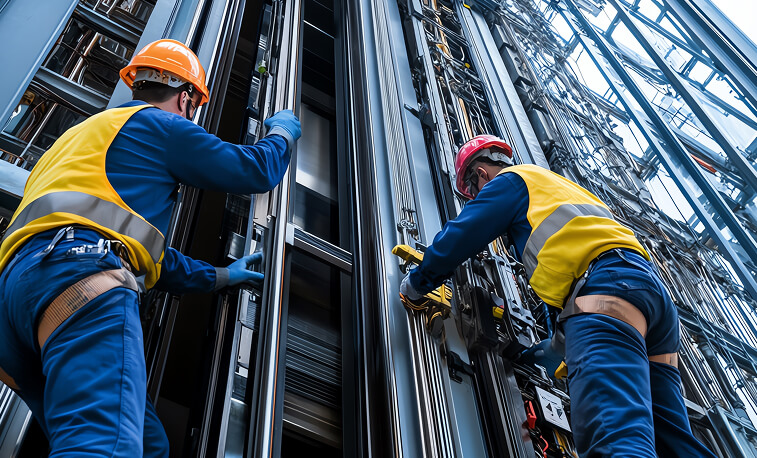
In an industry where safety, precision, and technology intersect every day, continuing education is no longer optional for elevator contractors in Texas. It is a core requirement that protects public safety, ensures regulatory compliance, and keeps professionals competitive in a rapidly evolving market. As buildings grow taller and elevator systems become smarter, contractors who invest in ongoing learning are better positioned to meet modern demands and future challenges.
The Importance of Continuing Education for Texas Elevator Contractors
Understanding the Regulatory Landscape
Texas elevator contractors operate in one of the most tightly regulated sectors of the construction and building services industry. Oversight from the Texas Department of Licensing and Regulation (TDLR) sets clear expectations for safety, inspection, installation, and maintenance practices. These requirements are closely aligned with nationally recognized standards developed by organizations such as ASME and ANSI, which are updated regularly to reflect new technologies and safety insights.
Continuing education plays a critical role in helping contractors stay current with these changes. Codes governing elevator construction, fire safety integration, accessibility, and inspection protocols do not remain static. A regulation that was sufficient five years ago may now be outdated or even noncompliant. Contractors who fail to keep pace risk fines, project delays, or worse, safety incidents that could have serious legal and human consequences.
Ongoing training ensures that contractors understand not only what the rules are, but why they exist. This deeper understanding improves decision-making on job sites and reinforces a culture of safety that benefits building owners, passengers, and technicians alike.
The Impact of Technology on Elevator Services
The elevator industry has undergone a quiet but significant technological transformation. Today’s systems rely heavily on software, sensors, and data-driven controls. Smart elevators can monitor usage patterns, predict component wear, and communicate with building management systems in real time. For contractors, this shift requires a broader skill set that extends beyond mechanical knowledge.
Continuing education programs increasingly focus on digital literacy, covering topics such as predictive maintenance, cloud-based monitoring platforms, and cybersecurity considerations. Contractors must understand how to interpret system data, troubleshoot software-driven issues, and work alongside IT professionals when elevators are integrated into smart buildings.
Staying current with these technologies is not just about technical competence. It also affects customer expectations. Building owners now expect fewer outages, faster response times, and detailed reporting. Contractors with up-to-date training are better equipped to deliver on those expectations and explain the value of modern systems to clients.
Building a Competitive Edge in the Industry
Competition among elevator service providers in Texas is intensifying, particularly in growing urban areas. Continuing education gives contractors a clear advantage by expanding their technical capabilities and professional credibility. Clients increasingly look for partners who demonstrate expertise in the latest systems, safety practices, and efficiency improvements.
Contractors who pursue advanced training are often able to complete projects more efficiently, reduce downtime, and propose innovative solutions that save money over the long term. This positions them as problem solvers rather than just service providers. Over time, that reputation can lead to repeat business, larger contracts, and stronger relationships with developers and property managers.
In this context, Texas elevator contractor continuing education becomes a strategic investment, not just a regulatory requirement.
Current Trends in Elevator Technology You Must Know
Smart Elevators: The Future Is Already Here
Smart elevators represent one of the most significant shifts in vertical transportation. These systems use artificial intelligence and IoT connectivity to optimize traffic flow, reduce wait times, and improve energy efficiency. For contractors, understanding how these systems function is essential for proper installation, calibration, and ongoing maintenance.
Training in this area often includes software diagnostics, sensor calibration, and system integration. Contractors also need to understand how smart elevators interact with access control systems, fire alarms, and energy management platforms. As cities push toward smarter infrastructure, contractors who can confidently work with these technologies will be in high demand.
Energy Efficiency and Sustainable Practices
Energy efficiency has moved from a “nice-to-have” feature to a core requirement in many projects. Elevators account for a significant portion of a building’s energy use, particularly in high-rise structures. Modern systems incorporate regenerative drives, LED lighting, and standby modes that reduce consumption.
Continuing education helps contractors understand how to install, retrofit, and maintain these systems effectively. It also enables them to advise clients on upgrades that align with sustainability goals and potential incentives. As environmental regulations tighten and energy costs rise, expertise in efficient elevator solutions becomes increasingly valuable.
The Growing Role of IoT in Maintenance and Safety
IoT technology has changed how elevators are monitored and serviced. Sensors can detect vibration, temperature changes, and component wear long before a failure occurs. This allows for predictive maintenance, which reduces unexpected breakdowns and improves passenger safety.
For contractors, this means learning how to work with data dashboards, alerts, and remote diagnostics. Continuing education programs often focus on translating raw data into actionable maintenance decisions. Contractors who master these skills can offer more reliable service and reduce long-term costs for clients.
Continuing Education Options for Elevator Contractors in Texas
University and Technical School Partnerships
Several Texas institutions collaborate with industry professionals to offer specialized training for elevator contractors. These programs often combine classroom instruction with hands-on experience, covering topics such as advanced controls, safety engineering, and business management.
University-led courses also provide exposure to emerging research and innovation. For contractors looking to expand into leadership roles or complex projects, this type of education can be particularly valuable. Networking opportunities with faculty and peers further enhance the long-term benefits of these programs.
Online Learning: Flexible and Practical
Online education has become a popular option for busy professionals. Many accredited providers offer courses that count toward continuing education requirements while allowing contractors to learn at their own pace. Topics range from code updates and safety compliance to new technologies and management skills.
Interactive features such as quizzes, discussion boards, and virtual simulations help reinforce learning. For contractors balancing demanding schedules, online courses offer a practical way to stay compliant without disrupting daily operations.
Workshops, Seminars, and Industry Events
In-person workshops and seminars remain an important part of professional development. These events often feature live demonstrations, manufacturer updates, and real-world case studies. Contractors gain hands-on experience with new equipment and have the opportunity to ask questions directly to experts.
Equally important is the networking aspect. Sharing experiences with peers helps contractors learn how others are addressing common challenges. This exchange of knowledge strengthens the industry as a whole and encourages best practices.
Licensing, Certifications, and Long-Term Career Growth
Essential Certifications for Texas Contractors
Texas requires elevator contractors to hold specific licenses and certifications to operate legally. Credentials such as Licensed Elevator Contractor (LEC) and Certified Elevator Technician (CET) demonstrate both compliance and technical competence.
Continuing education is often tied directly to maintaining these certifications. Contractors who pursue additional specialized credentials, such as those focused on smart systems or safety inspections, further enhance their professional standing.
Staying Ahead of Renewal Requirements
License renewal deadlines can sneak up on even experienced contractors. Keeping track of continuing education credits throughout the year helps prevent last-minute scrambles or lapses in certification. Many professionals choose to spread coursework evenly across renewal periods to reduce stress and ensure consistent learning.
Using Education as a Career Accelerator
Beyond compliance, continuing education opens doors. Contractors with advanced training are more likely to move into supervisory roles, win larger contracts, or specialize in high-demand areas. Certifications signal commitment, reliability, and expertise to both employers and clients.
Over time, a strong education portfolio can translate into higher earnings, greater job security, and a more resilient business. In an industry shaped by innovation and regulation, continuous learning is one of the most effective ways to stay relevant.
Looking Ahead
The elevator industry in Texas is evolving quickly, shaped by new technologies, sustainability goals, and rising safety expectations. Contractors who embrace ongoing learning are better prepared to adapt and thrive. Texas elevator contractor continuing education is not simply about meeting state requirements; it is about building safer systems, stronger businesses, and more sustainable careers.
As the demands of modern buildings continue to grow, so too will the need for skilled, knowledgeable professionals who understand both the mechanics and the technology behind vertical transportation. Continuing education ensures that Texas elevator contractors are ready for whatever comes next.


