

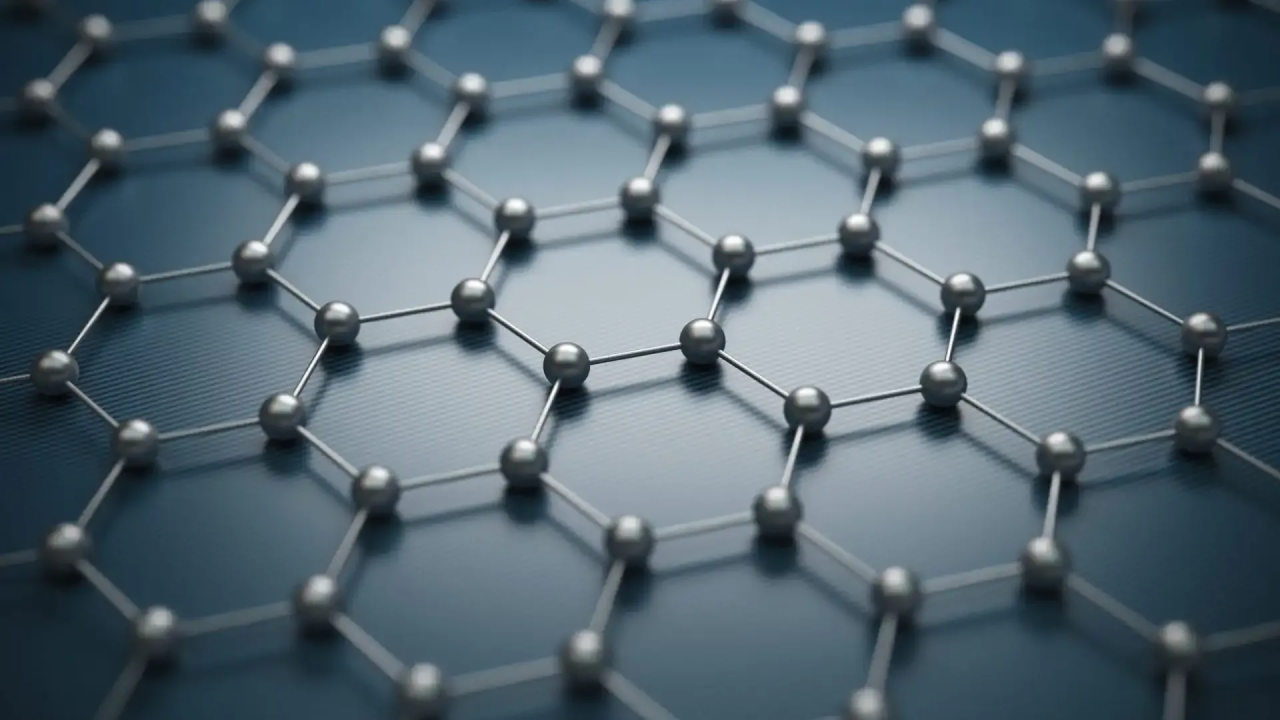
Modern manufacturing depends on advanced materials that improve durability, efficiency, and overall product performance. The carbon black industry plays an important role in supporting industries that require reliable materials for demanding applications. From automotive components to infrastructure products, carbon-based materials help manufacturers achieve higher quality standards while maintaining production efficiency.
As industrial technologies continue to evolve, manufacturers are focusing on materials that provide long-term performance and operational reliability. Advanced carbon solutions contribute to this objective by enhancing strength, conductivity, and environmental resistance across a variety of manufacturing sectors.
Importance of Carbon Materials in Industrial Production
Advanced carbon materials are widely used because they improve the physical and functional properties of manufactured products. Their ability to enhance durability and performance makes them valuable across numerous industrial applications.
Manufacturers rely on these materials to produce components capable of operating under demanding conditions. Carbon technologies also help improve product consistency, which is essential for maintaining quality standards across large-scale production environments.
Growing Demand Across Manufacturing Sectors
Industrial expansion continues to increase the need for materials that offer reliability and efficiency. Carbon-based solutions support this demand by helping manufacturers develop products with enhanced strength and durability.
The growing adoption of advanced manufacturing technologies has further increased the importance of high-performance materials. Carbon solutions provide the versatility needed to meet changing industrial requirements while supporting innovation and operational improvement.
Material Properties Supporting Manufacturing Performance
The success of advanced carbon materials is largely driven by their unique performance characteristics. These properties allow manufacturers to improve both product functionality and production efficiency.
- Enhanced Mechanical Strength
Carbon materials strengthen product structures by improving resistance to stress and wear. This added reinforcement allows components to perform reliably in demanding industrial environments.
- Improved Conductivity
Electrical conductivity is an important requirement for many industrial applications. Carbon materials provide reliable conductive properties that support electronic systems and specialized manufacturing processes.
- Better Environmental Resistance
Industrial products are frequently exposed to moisture, chemicals, and temperature variations. Carbon-based materials improve resistance to these conditions, helping products maintain performance over extended periods.
- Consistent Production Quality
Manufacturing success depends on maintaining consistent product quality. Carbon technologies help reduce material variation and support stable production processes. Reliable material performance enables manufacturers to achieve greater efficiency while meeting strict quality standards.
- Support for Innovation
Manufacturers constantly seek new ways to improve products and processes. Carbon materials support innovation by offering a combination of strength, flexibility, and adaptability. These qualities enable engineers to explore new product designs and manufacturing approaches.
Applications Across Modern Industries
Carbon materials are used throughout modern manufacturing because they contribute to product performance and operational efficiency. Their versatility allows them to support a broad range of industrial applications.
The automotive sector uses advanced carbon solutions to improve durability and reliability in critical components. Construction industries benefit from enhanced material strength and environmental resistance, while electronics manufacturers rely on carbon technologies for conductivity and performance.
Innovations developed within the carbon black industry continue to create new opportunities for manufacturers seeking higher levels of efficiency and product quality. These advancements support the development of materials capable of meeting increasingly demanding industrial requirements.
Research And Development In Carbon Technologies
Ongoing research plays a vital role in expanding the capabilities of advanced carbon materials. Manufacturers and material developers invest heavily in innovation to improve performance, sustainability, and production efficiency.
Organizations operating as carbon company in India are contributing significantly to this progress. Through research-driven initiatives, they are helping industries access advanced material solutions that support evolving manufacturing needs.
- Advanced Material Engineering
Researchers are developing carbon materials with enhanced structural and functional properties. These innovations help manufacturers improve product performance while maintaining efficient production processes.
Advanced engineering techniques also allow for greater customization. This flexibility supports the development of materials tailored to specific industrial requirements.
- Processing Technology Improvements
Manufacturing processes continue to evolve through the adoption of improved production technologies. Enhanced processing methods help optimize material performance and production consistency.
Better integration of carbon materials contributes to improved product quality. These advancements also support greater manufacturing efficiency across industrial sectors.
- Sustainability Initiatives
Environmental responsibility is becoming increasingly important within manufacturing industries. Carbon material developers are focusing on solutions that support efficient resource utilization and sustainable production practices.
By improving material longevity and reducing waste, advanced carbon technologies help manufacturers achieve sustainability objectives while maintaining performance standards.
- Collaborative Innovation
Partnerships between manufacturers, research institutions, and material suppliers encourage continuous innovation. These collaborations accelerate the development of new technologies and industrial applications.
Knowledge sharing allows organizations to address emerging challenges more effectively. Collaborative efforts also help bring advanced material solutions to market more efficiently.
- Future Development Opportunities
Emerging technologies continue to create new possibilities for advanced carbon materials. Future innovations are expected to expand industrial applications and improve manufacturing performance.
As industries pursue greater efficiency and sustainability, carbon technologies will continue to play an increasingly important role in supporting modern production systems.
Factors Driving Industry Expansion
Several factors are contributing to the continued growth of advanced carbon materials within manufacturing. Increasing demand for durable products is encouraging investment in high-performance material solutions.
Industrial modernization initiatives are also creating opportunities for advanced carbon technologies. Manufacturers are adopting innovative materials to improve efficiency, productivity, and product reliability.
The expansion of infrastructure projects, transportation systems, and industrial facilities is generating additional demand for materials that deliver long-term performance. These trends are expected to support continued market growth in the years ahead.
Conclusion
Advanced carbon materials have become essential to modern manufacturing because they enhance strength, durability, conductivity, and operational reliability. Their ability to improve product performance while supporting efficient production processes makes them valuable across numerous industrial sectors. As manufacturing technologies continue to advance, carbon-based solutions will remain critical to industrial innovation and long-term growth.
Within this evolving landscape, industry leaders continue to drive progress through material research and technological development. Among them, Birla Carbon has established a strong reputation for delivering innovative carbon solutions that support manufacturing excellence. The company’s expertise extends across multiple sectors, including applications involving carbon black for tires, helping industries achieve superior performance, durability, and sustainable development through advanced material technologies.