

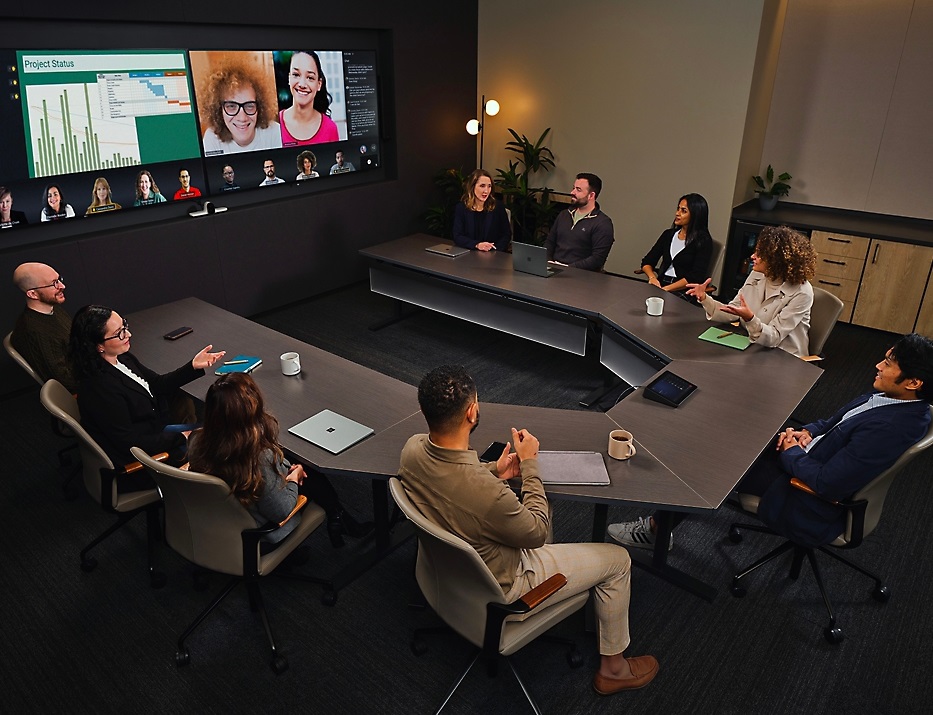
Coordinating Photo and Video Without Turning the Day Into a Set is less about buying a visual style than protecting a use case. The team needs interviews, stills, b-roll, working images, and social cutdowns, and the production plan has to keep coordination that keeps the day natural in view.
The brief behind a brand story production day
The buyer does not need to solve every creative choice in advance. They do need to make the intended use of interviews clear enough that the provider can prioritize.
Why the schedule affects coordinated photo video without over-staging
The useful scope protects a brand story production day from both under-planning and overbuilding. It gives the crew enough direction without turning every minute into a script.
How to know a brand story production day worked
A practical fix for a brand story production day begins by shrinking the brief until the main constraint is visible.
The project needs a simple operating logic for the day. That logic should account for the reality that too much staging could flatten the real workplace and still leave room for useful unscripted moments.
What a brand story production day should not leave for later
The proposal should show where attention will go first if time runs short. That answer reveals whether coordination that keeps the day natural is actually protected.
When the handoff for interviews, stills, b-roll, working images, and social cutdowns is planned early, the final files are less likely to become a sorting project later.
When the brief is still forming, Indigo Visual’s planning notes for coordinated photo video without over-staging can help buyers separate the service itself from assumptions about style, timing, or crew size.
The project is not finished when the camera stops. It is finished when the internal team can use interviews without reopening the brief.
The best coordinated production still leaves room for the business to look like itself.